TUE - SUN
09/05 > 27/09
11 AM - 7 PM
29/09 > 22/11
10 AM - 6 PM
Commissioner: Commissioner Sainbayar Surenkhuu, Senior Advisor to the Minister of Culture, Sports, Tourism and Youth of Mongolia
Curators: Uranchimeg Tsultem, Thomas Eller
Exhibitors: Gerelkhuu Ganbold, Dorjderem Davaa, Nomin Bold, Tuguldur Yondonjamts
Venue: Squero Castello, Salizada Streta 368
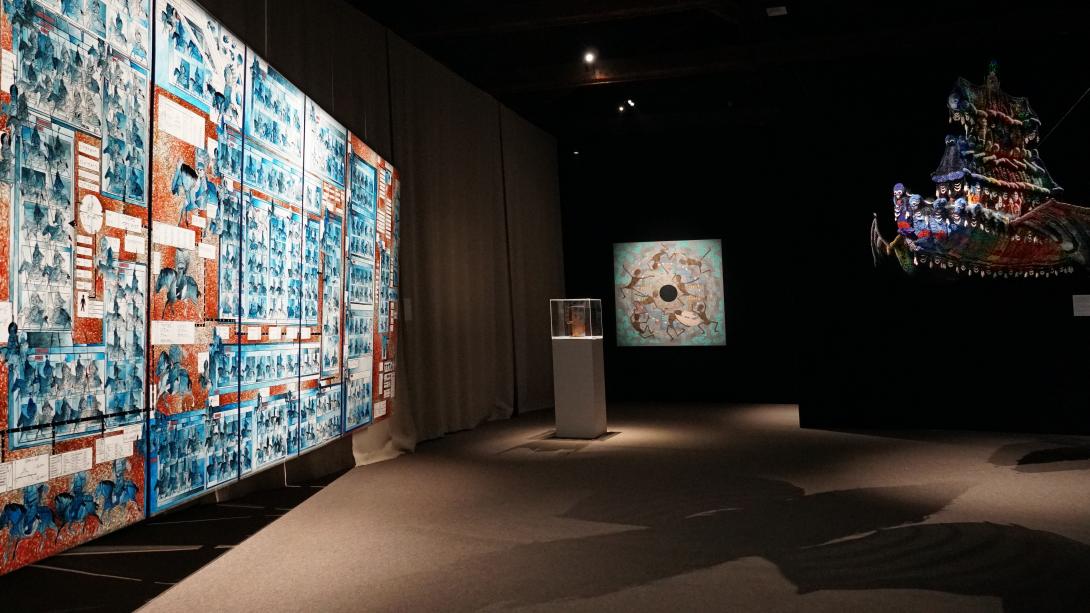
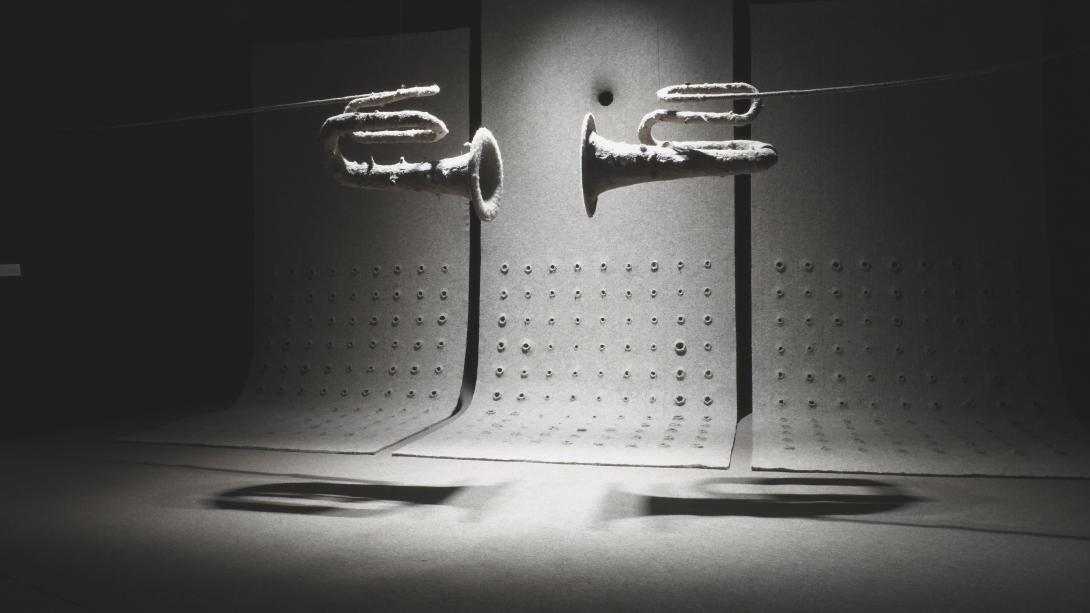
The Mongolia Pavilion at the 2026 Venice Biennale presents Entanglements: Connectivities Across Borders, an exhibition of multimedia works by four leading Mongolian contemporary artists. Departing from their contemporary artistic practices against a backdrop of intertwined histories, this exhibition explores the historical and cultural entanglements across Eurasia, with a particular focus on the Mongols as agents of connectivities and Venice as a symbolic gateway between East and West.
The pavilion reimagines Mongolia not as a fixed geography but as a dynamic space of exchange, tolerance, and transformation.
Mongolia has always been a mythical place that many in the West desire to experience, yet very little is known about the long history and intricate complexities of Mongolian heritage. Audiences from Europe or the Americas, as well as parts of Asia have experienced a profound disconnect from their historical roots through the shocks of modernity. Mongolian people however are still deeply immersed with in their heritages experienced in tengrism, Mongolian Buddhism, and the legacy of Chinggis Khaan. This spirituality and diversity is what gives Mongolian artists strength. Yet, at the same time they are radically contemporary as well. In other words, Mongolian contemporary culture is connected to its roots, like no other major culture in the world today.
Historically, Venice and the Mongol Empire had important channels of connectivities through trade, commerce, diplomatic relations and artistic influences, where the Mongols were important mediators. Through diplomacy, trade, and cultural exchange, the Mongols facilitated unprecedented interactions across vast territories. Venice, as a maritime republic and a key node in the Silk Road network, was deeply intertwined with Mongol cultures – most famously through the travels of Marco Polo (1254 - 1324), who spent 17 years at the court of Khubilai Khan (1216 - 1294) . This exhibition revisits these historical intersections to reflect on contemporary issues of migration, identity, and coexistence.
In an era marked by political divisions, ecological crises, and reinforced borders, Entanglements seeks to illuminate how cultures connect, share, and compromise. The exhibition foregrounds themes of religious tolerance, material interplay, and human–nonhuman relationships, offering a vision of Mongolia as a place of pluralism and resilience.
Curators:
Uranchimeg Tsultem is a scholar of Mongolian art and currently Edgar and Dorothy Fehnel Chair in International Studies and Associate Professor at Indiana University's Herron School of Art and Design.
She received her Ph.D. from University of California, Berkeley (2009), she taught at Berkeley, and universities in Mongolia, South Korea and Iceland.
She is the foremost Mongolian curator active internationally since 1993. Her recent monograph “A Monastery on the Move: Art and Politics in Later Buddhist Mongolia (Hawaii UP) received an Art Book award from Leiden, the Netherlands.
Uranchimeg Tsultem curated the first ever Mongolian Pavilion of the Venice Biennale (2015).
Her career started with the exhibition “Eternal Sky: Reviving the Art of Mongol Zurag” at the Institute of East Asian Studies, UC Berkeley (2009). “Modern Mongolia: From Steppe to Urban Dynamics.” Hanart TZ Gallery in Hong Kong (2011); Ulaanbaatar City Pavilion, 9th Shanghai Biennale, Museum of Contemporary Art, Shanghai (2012); “Mongol Zurag: The Art of Everyday,” SAPAR Contemporary, New York (2019); “Mongol Zurag: The Art of Resistance,” Garibaldi Gallery in conjunction with the Venice Biennale (2024).
Thomas Eller is a curator and art manager. He was the founding editor-in-chief of the German magazine and later the executive manager Germany for artnet (2004 – 2008), artistic director of Temporäre Kunsthalle Berlin (2008/9), president of RanDian art magazine (2014), founder of Gallery Weekend Beijing (2017), artistic director of the Taoxichuan China Arts & Sciences project in Jingdezhen, as well as associate researcher at Tsinghua University Beijing (2019-21). As a curator he has been working with artists from China, Central Asia and Mongolia: “The 8 of Paths – Art from Beijing” (2014), “Forming Communities, Berliner Wege, 道法柏林-而游于外。“, KINDL Centre for Contemporary Art, Berlin (2022), “Tengri, Zoroaster, Feminism and Other Nomadic Tales. The Art of Three Generations of Artists from Post-Soviet Central Asia” (2022), “Symphony of All the Changes” – the 7th Guangzhou Triennial, Guangdong Museum of Art (2022), “Mongolia – The Post-Nomadic Experice” (2024); “2day in Mongolia, The Fine Art Zanabazar Museum, Ulaanbaatar (2024)
Entanglements: Connectivities Across Borders – Mongolia Pavillon ath the 61. Venice Biennale
TUE - SUN
09/05 > 27/09
11 AM - 7 PM
29/09 > 22/11
10 AM - 6 PM
Commissioner: Commissioner Sainbayar Surenkhuu, Senior Advisor to the Minister of Culture, Sports, Tourism and Youth of Mongolia
Curators: Uranchimeg Tsultem, Thomas Eller
Exhibitors: Gerelkhuu Ganbold, Dorjderem Davaa, Nomin Bold, Tuguldur Yondonjamts
Venue: Squero Castello, Salizada Streta 368
The Mongolia Pavilion at the 2026 Venice Biennale presents Entanglements: Connectivities Across Borders, an exhibition of multimedia works by four leading Mongolian contemporary artists. Departing from their contemporary artistic practices against a backdrop of intertwined histories, this exhibition explores the historical and cultural entanglements across Eurasia, with a particular focus on the Mongols as agents of connectivities and Venice as a symbolic gateway between East and West.
The pavilion reimagines Mongolia not as a fixed geography but as a dynamic space of exchange, tolerance, and transformation.
Mongolia has always been a mythical place that many in the West desire to experience, yet very little is known about the long history and intricate complexities of Mongolian heritage. Audiences from Europe or the Americas, as well as parts of Asia have experienced a profound disconnect from their historical roots through the shocks of modernity. Mongolian people however are still deeply immersed with in their heritages experienced in tengrism, Mongolian Buddhism, and the legacy of Chinggis Khaan. This spirituality and diversity is what gives Mongolian artists strength. Yet, at the same time they are radically contemporary as well. In other words, Mongolian contemporary culture is connected to its roots, like no other major culture in the world today.
Historically, Venice and the Mongol Empire had important channels of connectivities through trade, commerce, diplomatic relations and artistic influences, where the Mongols were important mediators. Through diplomacy, trade, and cultural exchange, the Mongols facilitated unprecedented interactions across vast territories. Venice, as a maritime republic and a key node in the Silk Road network, was deeply intertwined with Mongol cultures – most famously through the travels of Marco Polo (1254 - 1324), who spent 17 years at the court of Khubilai Khan (1216 - 1294) . This exhibition revisits these historical intersections to reflect on contemporary issues of migration, identity, and coexistence.
In an era marked by political divisions, ecological crises, and reinforced borders, Entanglements seeks to illuminate how cultures connect, share, and compromise. The exhibition foregrounds themes of religious tolerance, material interplay, and human–nonhuman relationships, offering a vision of Mongolia as a place of pluralism and resilience.
Curators:
Uranchimeg Tsultem is a scholar of Mongolian art and currently Edgar and Dorothy Fehnel Chair in International Studies and Associate Professor at Indiana University's Herron School of Art and Design.
She received her Ph.D. from University of California, Berkeley (2009), she taught at Berkeley, and universities in Mongolia, South Korea and Iceland.
She is the foremost Mongolian curator active internationally since 1993. Her recent monograph “A Monastery on the Move: Art and Politics in Later Buddhist Mongolia (Hawaii UP) received an Art Book award from Leiden, the Netherlands.
Uranchimeg Tsultem curated the first ever Mongolian Pavilion of the Venice Biennale (2015).
Her career started with the exhibition “Eternal Sky: Reviving the Art of Mongol Zurag” at the Institute of East Asian Studies, UC Berkeley (2009). “Modern Mongolia: From Steppe to Urban Dynamics.” Hanart TZ Gallery in Hong Kong (2011); Ulaanbaatar City Pavilion, 9th Shanghai Biennale, Museum of Contemporary Art, Shanghai (2012); “Mongol Zurag: The Art of Everyday,” SAPAR Contemporary, New York (2019); “Mongol Zurag: The Art of Resistance,” Garibaldi Gallery in conjunction with the Venice Biennale (2024).
Thomas Eller is a curator and art manager. He was the founding editor-in-chief of the German magazine and later the executive manager Germany for artnet (2004 – 2008), artistic director of Temporäre Kunsthalle Berlin (2008/9), president of RanDian art magazine (2014), founder of Gallery Weekend Beijing (2017), artistic director of the Taoxichuan China Arts & Sciences project in Jingdezhen, as well as associate researcher at Tsinghua University Beijing (2019-21). As a curator he has been working with artists from China, Central Asia and Mongolia: “The 8 of Paths – Art from Beijing” (2014), “Forming Communities, Berliner Wege, 道法柏林-而游于外。“, KINDL Centre for Contemporary Art, Berlin (2022), “Tengri, Zoroaster, Feminism and Other Nomadic Tales. The Art of Three Generations of Artists from Post-Soviet Central Asia” (2022), “Symphony of All the Changes” – the 7th Guangzhou Triennial, Guangdong Museum of Art (2022), “Mongolia – The Post-Nomadic Experice” (2024); “2day in Mongolia, The Fine Art Zanabazar Museum, Ulaanbaatar (2024)