You are cordially invited to join for the opening on March 15, 2026, 3pm.
What Is to Be Done?
That's a good question! – Especially one that a young artists have to ask themselves. And so, it's fascinating to see what questions Thomas Eller grappled with forty years ago. Most of his "Objective Self-Portraits" had lain dormant for decades under the roofs of the art mill in Mürsbach, now demanding attention.
"What Is to Be Done?” is a utopian socialist novel by the Russian philosopher and revolutionary democrat Nikolai Gavrilovich Chernyshevsky (1828–1889), published in 1863. Unlike Lenin's 1912 treatise of the same name, Chernyshevsky wasn't primarily concerned with collectivization but rather posed the question of how individuals can change the world, seeking a solution in each person's readjustment of responsibility towards the community. His 1855 dissertation, "The Aesthetic Relations of Art to Reality," laid the groundwork for this in the development of a "new human being."
The “Objective Self-Portraits” were created between 1986 and 1990, a time when, following NATO's Double-Track Decision, forest dieback, Chernobyl, zero growth, and the prevailing sense of "no future," the world seemed to teeter on the brink of collapse. Then, as now, it was old egos and selfishness that fueled these destructive spirals.
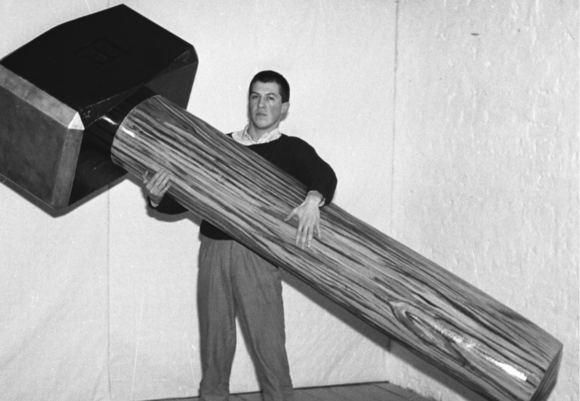
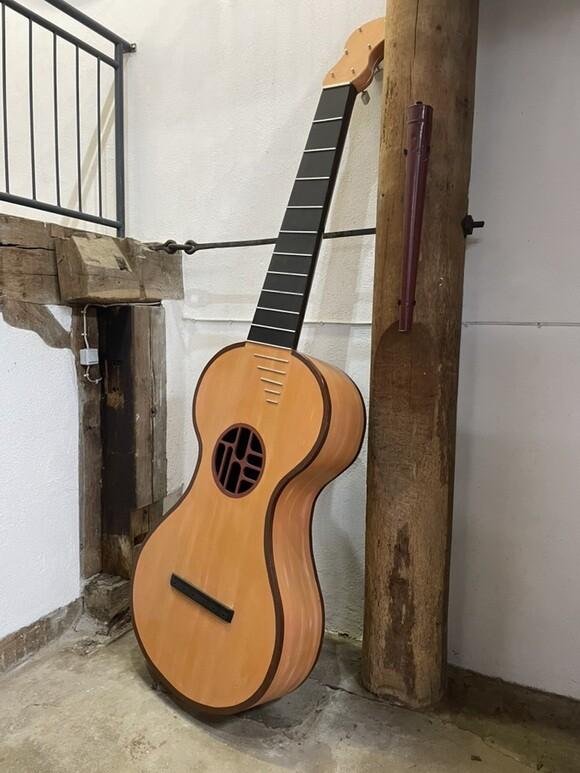
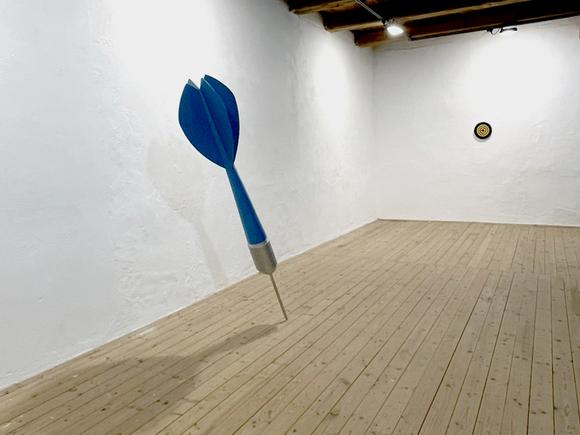
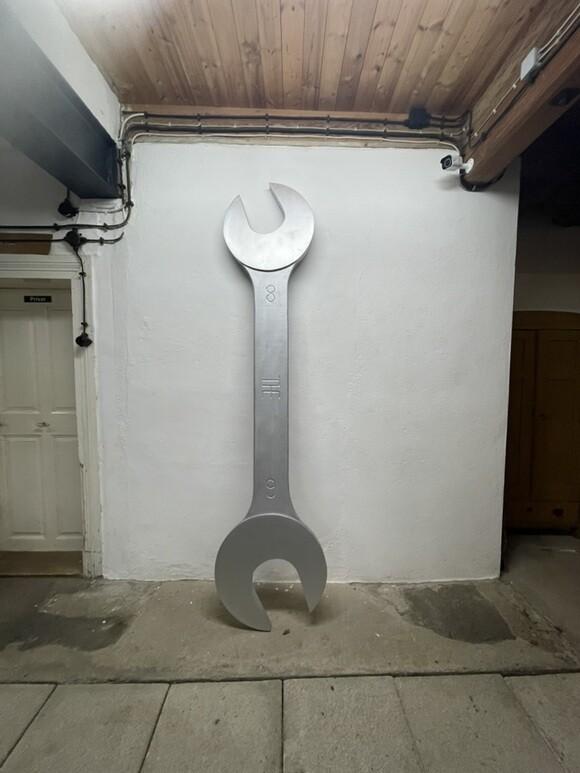
Thomas Eller's “Objective Self-Portraits” are all large “small” objects from his immediate surroundings. Objects that are needed for work, planning, building, and for art, play, or enjoyment. In their excessive smallness, they break with every dimension and make the viewer feel smaller than their own size. This raises questions about the aesthetic relationship between oneself and the world, and one's function within it. Thomas Eller's “Objective Self-Portraits” challenge ego-positions but attempt to point the way to a different relationship with oneself—to put oneself in perspective and: What to do!
Sam Rose, 2026
Что делать? – Was tun? – What is to be done? – 该怎么办? – Thomas Eller, Objektive Selbst-Portraits, 1986 - 1990
You are cordially invited to join for the opening on March 15, 2026, 3pm.
What Is to Be Done?
That's a good question! – Especially one that a young artists have to ask themselves. And so, it's fascinating to see what questions Thomas Eller grappled with forty years ago. Most of his "Objective Self-Portraits" had lain dormant for decades under the roofs of the art mill in Mürsbach, now demanding attention.
"What Is to Be Done?” is a utopian socialist novel by the Russian philosopher and revolutionary democrat Nikolai Gavrilovich Chernyshevsky (1828–1889), published in 1863. Unlike Lenin's 1912 treatise of the same name, Chernyshevsky wasn't primarily concerned with collectivization but rather posed the question of how individuals can change the world, seeking a solution in each person's readjustment of responsibility towards the community. His 1855 dissertation, "The Aesthetic Relations of Art to Reality," laid the groundwork for this in the development of a "new human being."
The “Objective Self-Portraits” were created between 1986 and 1990, a time when, following NATO's Double-Track Decision, forest dieback, Chernobyl, zero growth, and the prevailing sense of "no future," the world seemed to teeter on the brink of collapse. Then, as now, it was old egos and selfishness that fueled these destructive spirals.
Thomas Eller's “Objective Self-Portraits” are all large “small” objects from his immediate surroundings. Objects that are needed for work, planning, building, and for art, play, or enjoyment. In their excessive smallness, they break with every dimension and make the viewer feel smaller than their own size. This raises questions about the aesthetic relationship between oneself and the world, and one's function within it. Thomas Eller's “Objective Self-Portraits” challenge ego-positions but attempt to point the way to a different relationship with oneself—to put oneself in perspective and: What to do!
Sam Rose, 2026